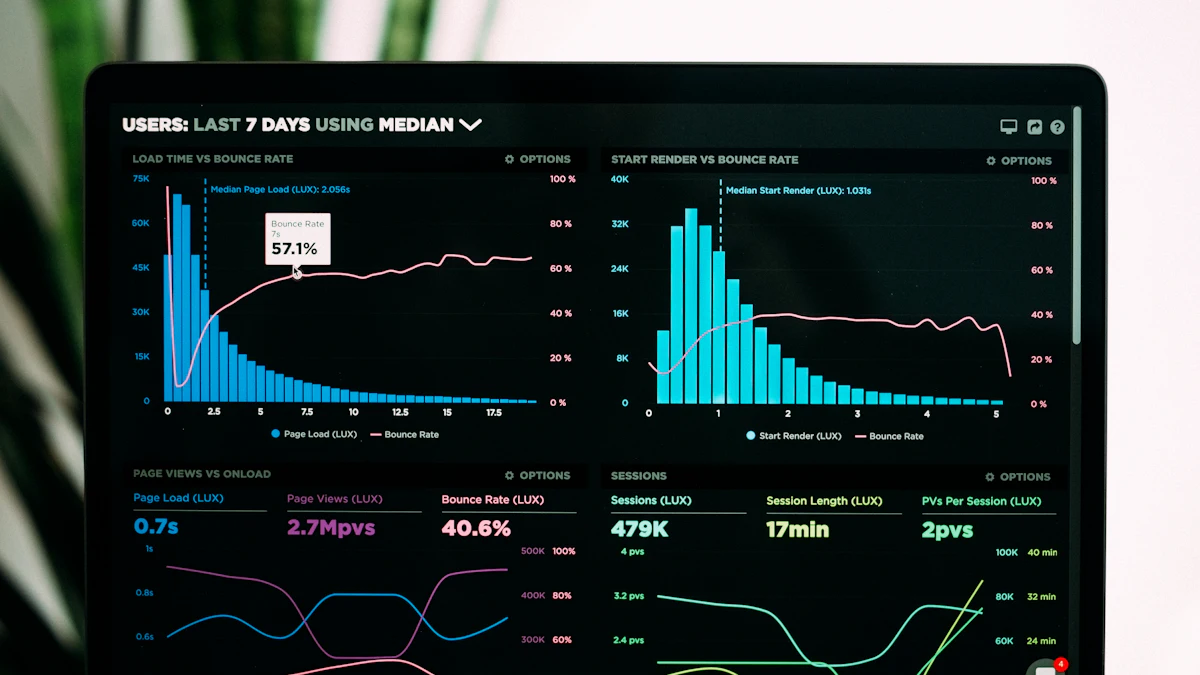
Financial clarity consulting gives you a simple, reliable view of your cash, margins and unit economics, so you know which parts of the business make money and what you can afford to invest. It is for owners and founders whose revenue is growing but whose bank balance does not seem to follow. At 20xBusiness.com, we turn your accounting data into a few numbers you can use every week.
The Problem This Service Solves
Many owners run their business from the bank balance. When the balance is high, they hire or spend. When it drops, they cut. This works until the business gets bigger and the timing of cash in and cash out gets harder to predict.
Common signs of a clarity gap include:
- Profit on paper, but cash is always tight.
- No idea which products, services or customers earn the best margin.
- Price increases avoided because the real cost of delivery is unknown.
- Monthly reports arrive weeks late, if at all.
- Growth plans with no budget or cash forecast behind them.
A business can be healthy and still have these gaps. The owner is simply making big decisions with a blurry picture, and that gets riskier as the company grows.
The SBA’s overview of how to manage your business finances covers the basics well. Our work picks up from there and connects the numbers to your growth plan.
How the Engagement Works
Review the Books
We start with your profit and loss statement, balance sheet and bank data for the last 12 months. We check how reliable the numbers are and flag anything that needs cleanup with your bookkeeper. If the books are months behind, getting them current becomes the first sprint.
Break Down the Margins
Next, we split revenue and direct costs by product, service line or customer type. This is often the most eye-opening step. Some offers that feel busy and important turn out to earn very little.
Build the Dashboard and Forecast
We set up a one-page monthly dashboard and a rolling 13-week cash flow forecast. The forecast shows when cash will get tight before it happens, so you can adjust the timing of hires, purchases or collections.
Tie It to the Growth Plan
Finally, every growth move gets a budget and an expected return. We compare actual results with the plan in weekly sprints and adjust as real numbers come in. If you need help ranking the moves themselves, our growth strategy service uses this same data to score your options.
What We Track
| Number | Why It Matters | How Often |
|---|---|---|
| Cash on hand and 13-week forecast | Shows how much room you have to invest | Weekly |
| Gross margin by offer | Reveals which work actually pays | Monthly |
| Net profit margin | Shows whether growth is profitable | Monthly |
| Days to collect receivables | Measures how fast sales turn into cash | Monthly |
| Cost to win a customer vs. customer value | Tells you what you can afford to spend on growth | Quarterly |
We keep the dashboard to one page on purpose. If a number does not change a decision, it does not belong there.
What You Get
- A cleaned-up view of the last 12 months, built with your bookkeeper
- Margin analysis by product, service or customer type
- A one-page monthly dashboard
- A 13-week cash flow forecast you can update yourself
- A budget for each priority in your growth plan
Tax filing and compliance stay with your CPA. We simply make sure the numbers they prepare are also working for you as management tools.
A Hypothetical Example
Consider a catering company doing about $1.8 million a year across two lines: corporate lunches and weddings. Weddings feel like the core business, since they bring large invoices and most of the owner’s attention.
The margin breakdown tells a different story. After food, staff and rentals, suppose weddings earn a 22% gross margin while corporate lunches earn 38%. Corporate clients also order every week, while each wedding is a one-time event with a long wait between deposit and final payment.
With that view, the owner might raise wedding prices, set a firmer deposit schedule and put more sales effort into corporate accounts. Whether those moves pay off depends on local demand and execution, which is why we track the results monthly.
Pricing is often the fastest lever once margins are clear, so read our guide to small business pricing strategy. If revenue has also been flat for a while, see how to break through a revenue plateau.
Your Next Step
If your business is growing but cash still feels tight, start with one honest look at the numbers. Book a free 30-minute strategy call with the 20xBusiness.com team and bring your latest profit and loss statement. We will show you which numbers to watch first, and every engagement after that is month to month.
Frequently Asked Questions
Do you replace my accountant or bookkeeper?
No. Your bookkeeper records transactions and your accountant handles tax and compliance. We use their numbers to build a management view that helps you make growth decisions, and we work with them, not around them.
What if my books are behind or messy?
That is a common starting point. We help you see what needs cleanup and work with your bookkeeper to get the key accounts current, because a reliable dashboard cannot be built on numbers you do not trust.
Do you give tax or legal advice?
No. Tax, legal and audit questions belong with a licensed CPA or attorney. Our focus is cash flow, margins, pricing and unit economics as they relate to growth.